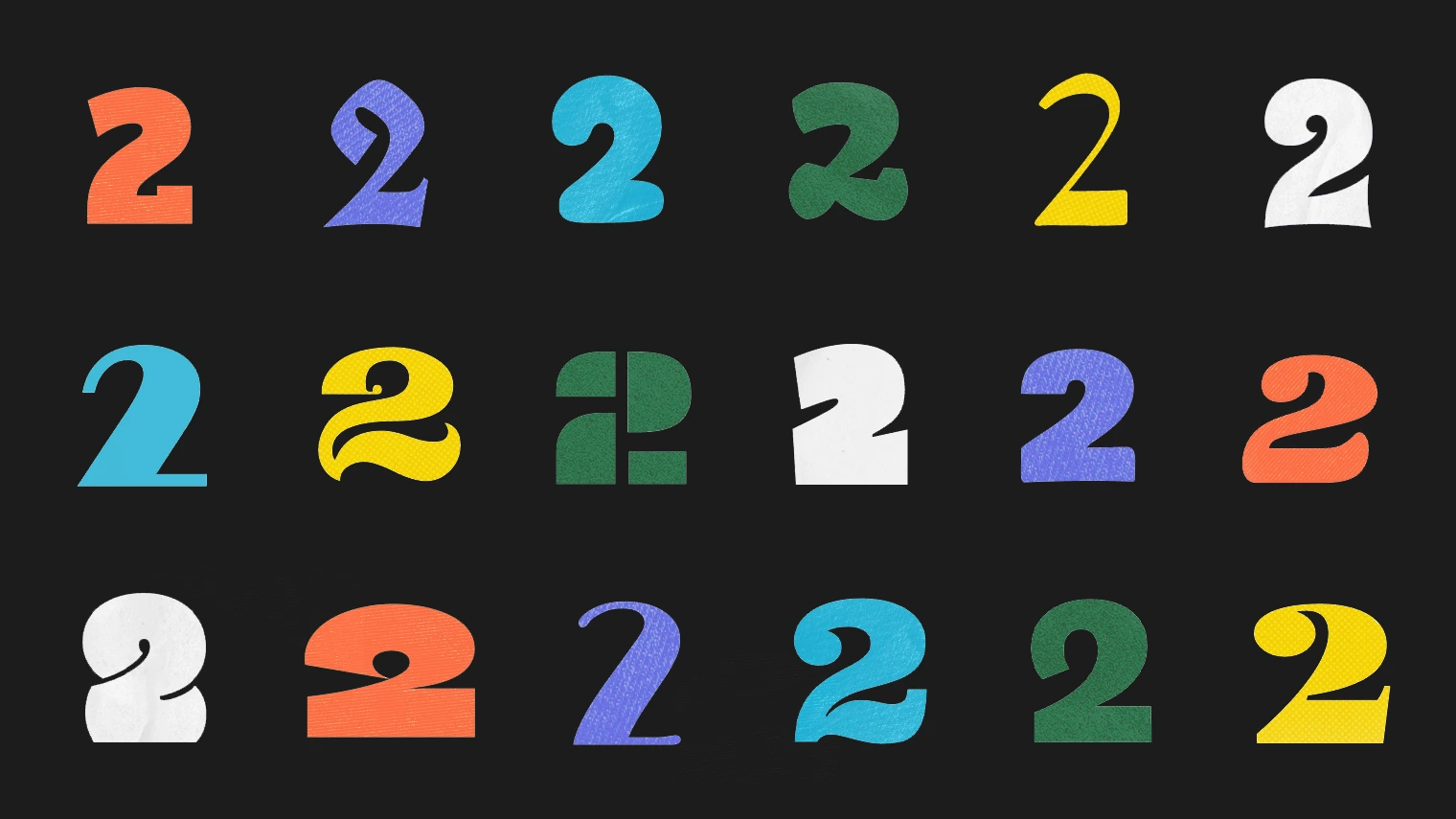
When it comes time to pick a designer for your project, you’ll quickly notice that they typically fall into two broad camps.
Some studios will have a really distinct style, where you can scroll their portfolio and immediately understand what they’re all about and whether it’s your vibe. Other portfolios will feel more diversified, with each project having a distinct look and feel that is tailored toward each individual client, industry or problem they’re solving.
Neither approach is better than the other, but they can be quite different and understanding what sets them apart can make it much easier to pick the right fit for your project.
One of the biggest decision factors is how much direction you’re bringing to the table. If you already have a clear visual reference point (a moodboard, aspirational brands, etc.), a niche or aesthetic-driven designer might be the best fit. You’re seeking them out for their taste and their ability to execute within a specific look or industry.
If your vision is a little hazier, working with a generalist could be more valuable. They’re often used to working with more ambiguous project briefs and shaping them into something concrete, both strategically and visually.
Once you get into the nitty gritty of a project, processes can look quite different depending on who you’re working with. It’s up to you to decide on whether you’re looking to discover a direction or execute a specific one.
Generalist designers tend to be more exploratory upfront, with bigger emphasis on strategy and working collaboratively to define the brief. They’re also more likely to present multiple, distinct visual directions to nail down your taste and goals for the project.
On the flip side, niche designers will often have an approach that’s built around their particular specialty, with a focus on refining and filtering your brand through their aesthetic.
Another big decision factor is your comfortability with knowing exactly what kind of end result you’ll get vs. leaving room for a more custom solution.
If you’re looking for predictability, a niche designer is probably more up your alley. Chances are if you like their past work, you’ll be happy with what they produce for you. This is where careful consideration of their portfolio is key.
With a generalist, the outcome might be harder to picture upfront because they don’t subscribe to a particular style, but the solution will be one that is shaped around your specific goals and energy.
There are huge benefits to working with designers in either of these categories, but there is usually a right option for your particular project. In our case, we fall into the generalist camp so if that side of things it’s what’s speaking to you, reach out to see if we’re a good fit! And if you’re still undecided, let’s break the two down into simple terms.
You might prefer a niche designer if:
You might prefer a generalist if:
At the end of the day, it’s less about the label and more about the fit. The best results tend to come from working with someone whose approach matches what you actually need, not just what will look good in their portfolio.